
 Way4wordMom
 Topher Scott
Way4word.net will highlight expert commentary from a variety of fields on reactions to the election. In medicine, a leading current is that of “trauma-informed care,” which involves providers’ perceiving, understanding, and integrating the role of personal trauma in provision of health services. And beyond individual-level reactions, the recent election triggered a collective trauma, which according to Jack Saul, the director of the International Trauma Studies Program, is “a shared experience of threat and anxiety in response to sudden or ongoing events that lead to some threat to a basic sense of belonging in society.”
Indeed, a patient of mine recently said, “I think they’re coming for me — because I am gay and have HIV.” On behalf of him and others, we’ll shine a light on what underlies this feeling of threat, and how medicine’s recent embrace of “trauma informed care” can guide an individual and a collective response.
In “How to Cope With Post-Election Stress,” Julie Beck explores another field’s reaction, that of U.S. psychologists, to personal and collective stress that erupted on 11/9.
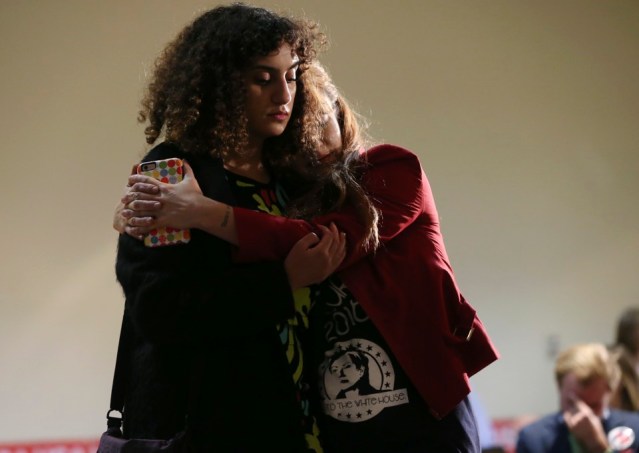 “One could argue that those who opposed Donald Trump’s election have been through a collective trauma that has left them feeling rattled and afraid. Women and people of color have good reason to be anxious, given the sexist and racist things Trump said during the campaign, given his threats against the women who accused him of sexual assault, given how he has painted Mexicans as criminals, given that he was endorsed by the Ku Klux Klan, given so, so many things. People have very real fears rooted in policies Trump has promised to enact in office—including a ban on Muslim immigrants and the deportation of millions of immigrants.”
Source: How to Cope With Post-Election Stress (The Atlantic)
Categories: Health & Medicine, Self-care
 Way4word